
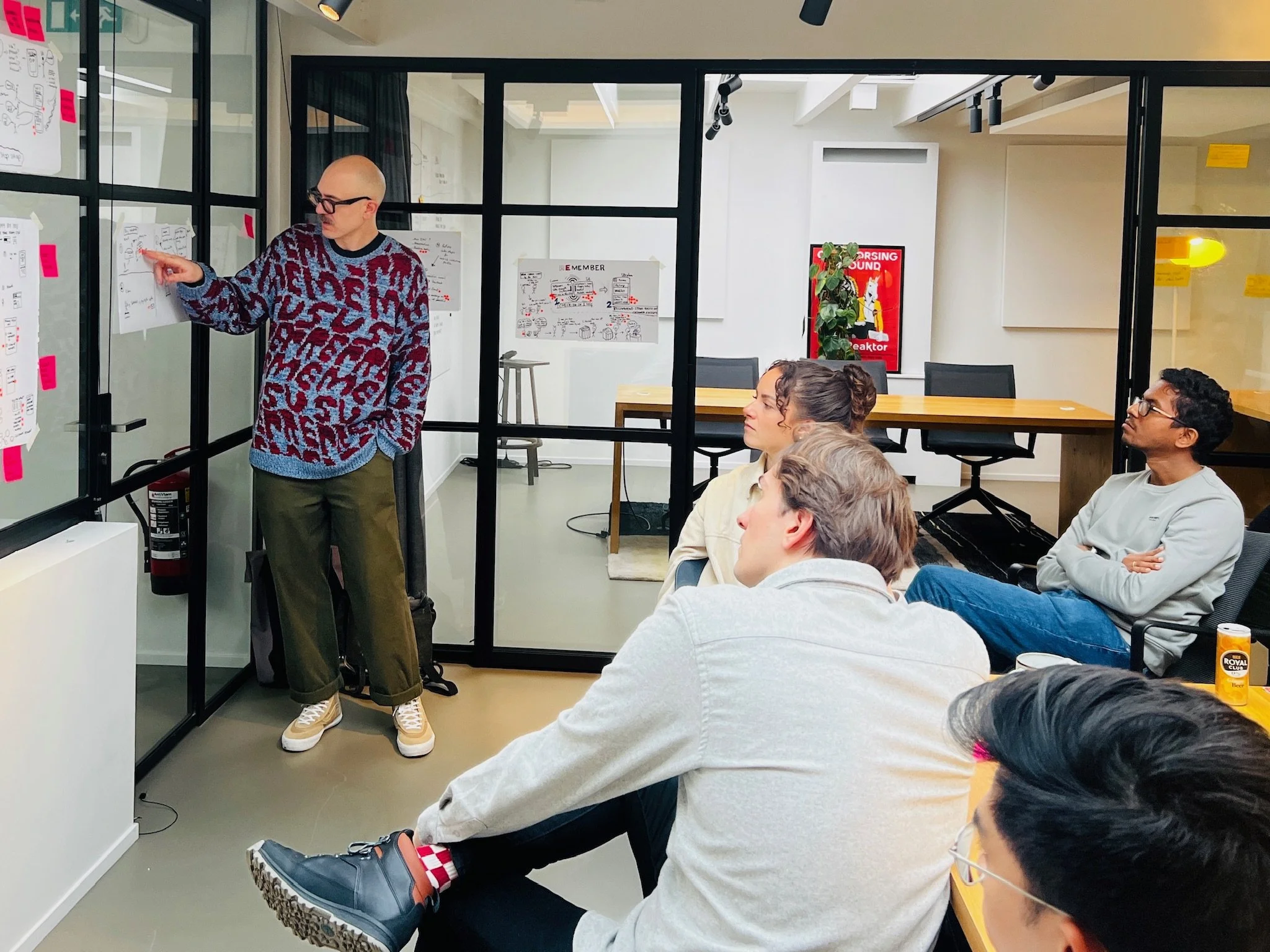
The moment a room full of people stops talking about the problem and starts solving it.
Four problems solved in half a day with a London marketing agency's leadership team. Thirty AstraZeneca Business Analysts leaving a design thinking session newly energised and equipped to work differently. A Calvin Klein sprint turning a complex strategic challenge into a clear path forward. This piece looks at what those sessions had in common; and ends with a direct invitation to find out what's possible for your team.
What does a workshop actually look like? Here's an honest account.
The morning of day one with Calvin Klein's loyalty team did not feel like it was going well. The room was full, the challenge was complex, and the conversation was rich but sprawling. This is normal and necessary. This piece is an honest account of what a well-run workshop actually looks like from the inside, why the confusion of the morning is part of the process, and what becomes possible when a group of people finally understand what they're actually trying to solve.
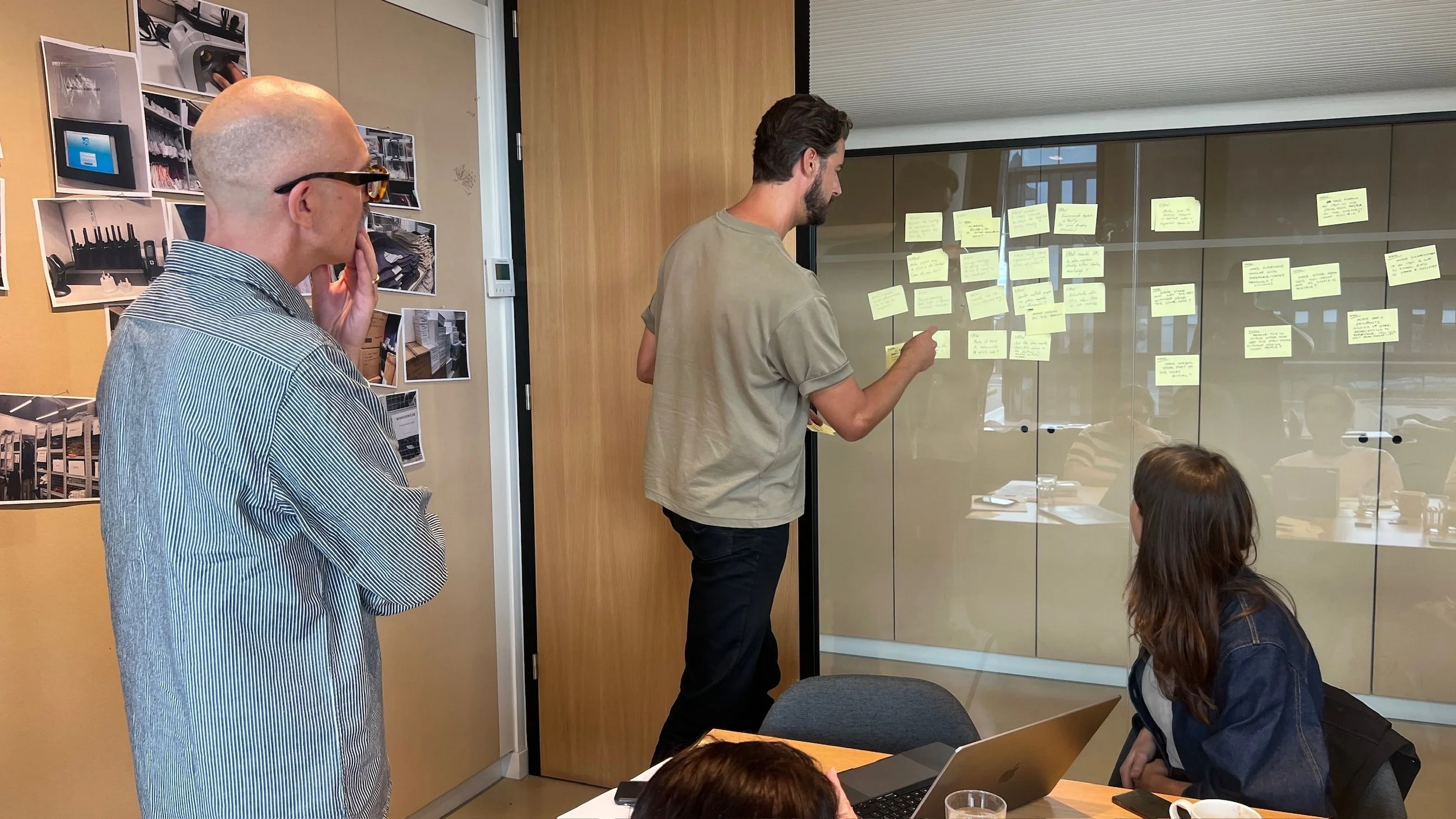
One day away from the day-to-day is worth more than six months of meetings about it.
There's a moment in almost every workshop when something shifts. Not a dramatic breakthrough; something more subtle than that. A point where people stop defending their positions and start genuinely thinking together. This piece explores what creates that moment, why it almost never happens in a regular meeting, and what becomes possible when the right conditions exist.

The more pressure you're under to deliver, the harder it becomes to find a better way.
When budgets tighten, teams retreat to what's measurable and provable. It makes sense — until you realise that the channels that feel safest right now are exactly the ones most exposed to AI disruption. This piece explores why tactical retreat is a trap, why strategic thinking is a muscle that atrophies without use, and why the teams that will navigate what's coming are the ones who never stopped asking bigger questions.
No time to think is not a symptom. It's the problem.
The pressure to deliver has quietly squeezed out the conditions for good thinking in most organisations. Based on conversations with marketing professionals across different sectors and business sizes, this piece explores why the space to think strategically has disappeared — and why that matters more than most teams realise.

Single Player Mode
AI is making individuals extraordinarily capable. But when you remove the need for collaboration, you also remove the collaboration itself—and all the thinking it was quietly doing.

Divided Teams Are a Business Problem. Here's What Actually Fixes Them.
Every senior leader knows the feeling. Two teams; or three, or four; that are supposed to work together but don't. Meetings that go in circles. Decisions that don't stick. People who are talented individually but somehow collectively stuck. And underneath it all, a low-level friction that everyone's learned to live with because nobody quite knows how to fix it.
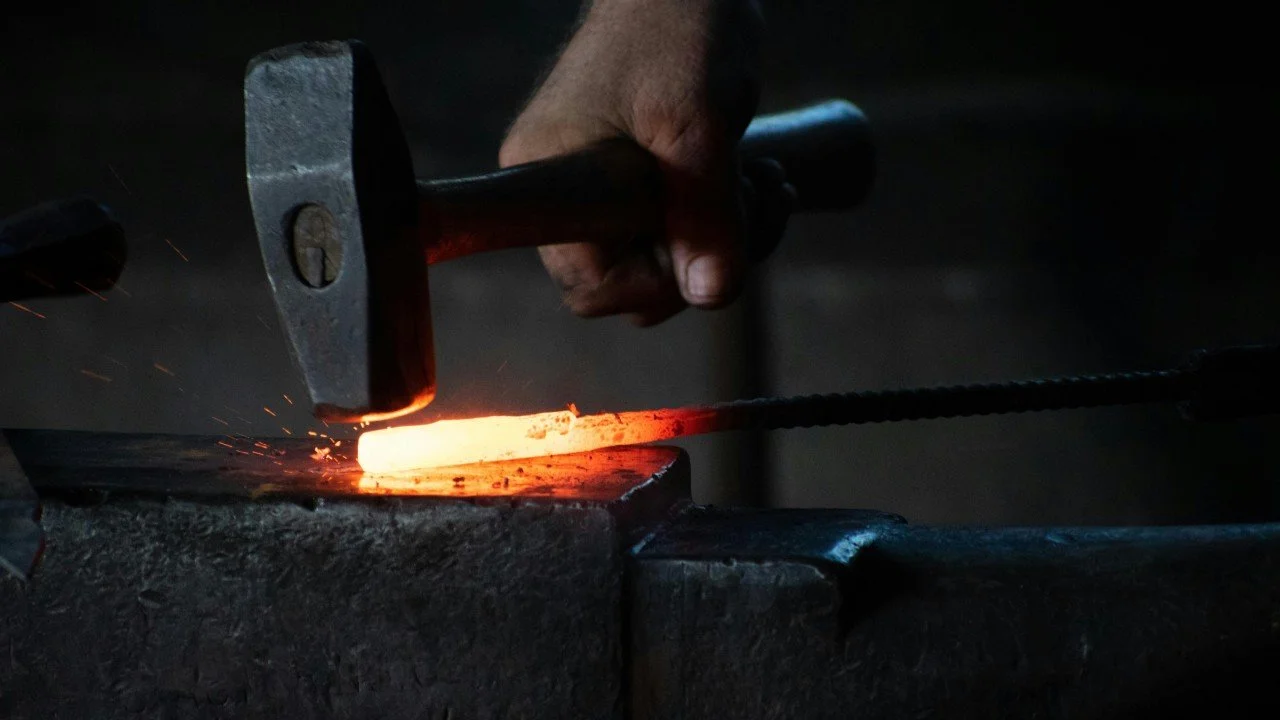
Facilitation as Craft: What Actually Changes in the Room
There's a version of a workshop that everyone's been to. Post-its on a wall, a lot of nodding, an action plan document that nobody looks at a week later. And then there's the other kind; the kind where something actually shifts, where people walk out relating to each other and to the problem differently than when they walked in. The difference between those two things is craft.

The Generalist Advantage: Why Not Knowing Can Be Your Superpower
The job market wants you to pick a lane. Specialise. Niche down until you're the obvious choice for one specific thing. But what if your actual value comes from not being fully inside any one world?
Some thoughts about what a zigzag career taught me; and why fresh eyes aren't a liability. They're the point.


The magic of creative cohesion in workshops (and on dance floors)
Lately, I’ve been reflecting on what makes workshops so special. There’s one moment in particular that stands out to me, a moment I love more than any other—I call it the point of creative cohesion.

Get teams better at solving problems by solving problems better
In today's fast-paced and ever-evolving world, effective problem-solving skills are more critical than ever. But how do you get a team to level up their skills in this area?